
Data-Driven Pricing Analysis in Public Transport
Challenge
Public Transportation Operators (PTOs) and Public Transportation Agencies (PTAs) must consider many complex factors when setting fare prices. Regardless of the ownership model, fares from PTAs and PTOs must be responsive to safety levels, supply and demand, and public perception.
Absent a transparent benchmark for ticket pricing, these organization can face significant and costly challenges associated with:

High prices that discourage ridership
-
Low prices that erode revenue flows
-
Negative public sentiment regarding pricing practices
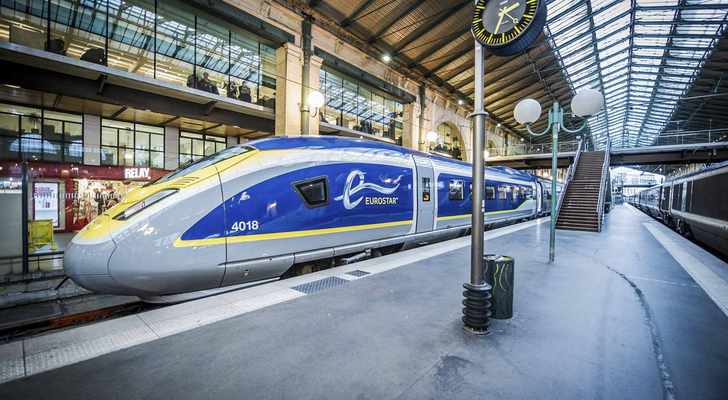
Eurostar: Fast, Relaxed Travel Through Smart Passenger Flow
Solution
Rich, objective data about actual use is an effective and efficient way to establish a reliable pricing benchmark. Reports generated from a robust data capture solution are an optimal starting point for a supply and demand-based pricing analysis.
For organizations committed to fact-based decision-making, a data capture solution is an excellent tool for:
-
Establishing clear pricing rules based on objective criteria
-
Understanding the impact of pricing changes and promotions
-
Justifying pricing decisions to internal and external stakeholders
Benefits
Increased transparency in public transportation pricing models is a great way to strengthen bonds with different parts of society, including passengers and government agencies. Automated data capture solutions that can accurately capture complex passenger flows with a high degree of precision can help PTOs and PTAs:
-
Capitalize on dynamic pricing models
-
Improve passenger satisfaction
-
Enhance dialogue with different parts of society
Download now
Access a free Use Case PDF version now!
Additional transportation use cases

-
Investment Planning
Data-driven transportation investment reduces waste by targeting essential areas
-
Tenant Management
Footfall data helps property managers determine fair rental values in transit areas
-
Ticketing
Passenger counting gives PTOs data to improve services and fleet deployment
-
Price Planning
Accurate data-driven pricing analysis ensures fare prices match market conditions
-
Infrastructure Maintainance
Maintenance ensures safety and efficiency in public transportation operations
-
Infrastructure Commerce
Investors use precise data to optimize returns and manage transit assets
-
Spatial Inteligence
PTOs need customer insights, especially for those with prams, bikes, or wheelchairs
-
Network Standardization
Interoperable IT standards reduce costs and boost efficiency in public transit
-
Security Planning
Transit security benefits from real-time data to address passenger concerns
-
Route & Network Planning
Detailed data streamlines public transit route and network planning
-
Community Fare Settlement
Public transit agencies require standards for fare allocations and NTD reporting
-
Platforms
Load-balancing transit passengers requires reliable real-time data
- Case studies, Transportation
Eurostar: Fast, Relaxed Travel Through Smart Passenger Flow
 Case studies, Transportation
Bonn Enhances Transit with Xovis Passenger Data
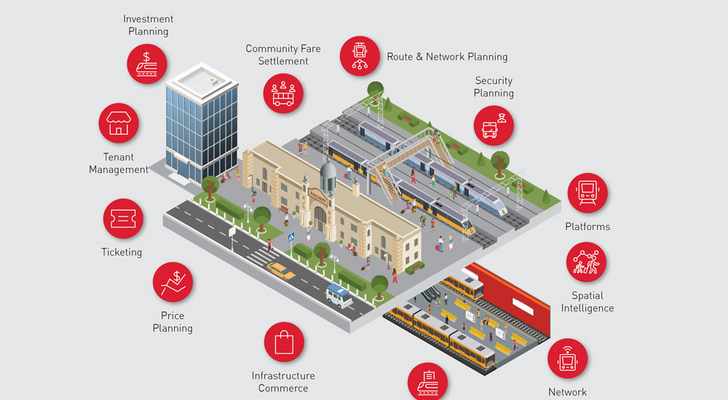 Use cases, Infographic, Transportation
A Map to Public Transportation Use Cases