
Improving Terminal Transport Operations
Challenge
Major airports are vast landscapes of travel and commerce, complex ecosystems that must respond to the varied demands of travelers, staff, concessionaires, and government agencies. Terminal transport, which may be in the form of bus, tram or light rail, is growing in complexity along with the airports where they are located. To learn valuable lessons about passenger flows among different terminal spaces or between concourses, operators relying on manual counting or passenger counting solutions face significant challenges, including:

Safety issues related to overcrowding at terminal transport onboarding spaces
-
Negative passenger sentiment because of sub-optimal transport services
-
Excessive energy consumption related to unnecessary terminal transport operations

Reducing Security Wait Times by 10%
Solution
The need for terminal transport depends on the flow of passengers, be they travelers or staff moving among the different airport spaces. Airport operators can optimize the performance of intra-terminal transport by capturing real-time, objective data at areas surrounding loading/unloading points and within vehicles.
A Passenger Flow Management System (PFMS) can provide operators with the rich, objective data they need to:
-
Promote load-balancing among passengers
-
Plan frequency of vehicle deployment
-
Position staff to assist passengers with directions
-
Real-time alerts can keep floor managers informed of situations that risk becoming a disruption, and historical data can help with planning based on observable trends.

Reducing wait times and improving passenger throughput are top priorities at Carrasco International Airport. Reaching these goals with a fully managed service such as AERO fits well within our passenger experience and data-management strategies. We have been using Xovis’ on-premises solution for seven years, and upgrading to AERO is a smart move, thinking about the challenges of the coming years.
Benefits
Informed passengers are generally happier passengers. Operators empower passengers by communicating real-time wayfinding and wait time data pertaining to intra-terminal transport. With a PFMS able to capture accurate real-time data, operators can:
-
Direct passengers to the best vehicle entry point
-
Inform passengers of wait times and vehicle arrivals
-
Create useful reports about transport profiles between stations
Download now
Access a free Use Case PDF version now!
Additional airport use cases

-
Expanding Airslide Revenue
Measuring customers’ in-store dwell times can boost sales of higher margin products
-
Efficient Check-In Areas
Accurate store traffic data helps retailers optimize layout and product placement
-
Time-Saving Ticketing Management
Retailers can boost revenue by measuring in-store attention
-
Managing Airport Entryways
Queuing up can become a costly friction point for brick-and-mortar retailers
-
Limiting Taxi Rank Clustering
Understanding gender-specific shopping trends helps retailers optimize resources.
-
Use-Based Cleaning
Smart Retail requires Smart Cleaning to enhance customer experience
-
Maintaining Lounge Service Levels
Retailers need a robust queue management system to eliminate friction points
-
Improving Intra-Airport Transport
Optimal staff and layout depend on real-time customer engagement data
-
Streamlining Security Checks
Real-time KPIs help retailers optimize performance across all locations
-
Optimizing Passport Control
Shopping habits change with company, aiding retailers in boosting sales
-
Airport Baggage Claim
Real-time data prevents baggage claim disruptions
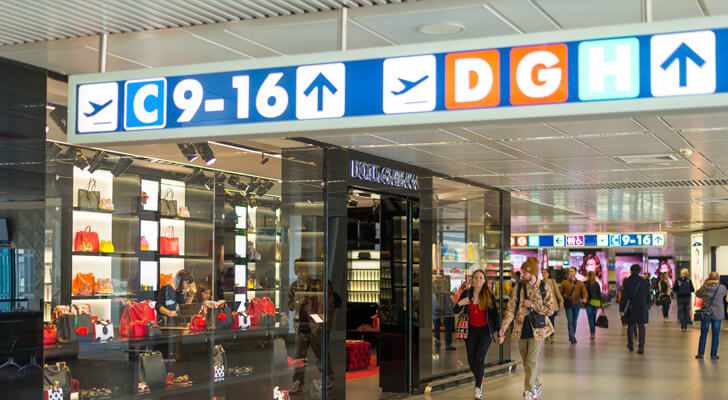 Use cases, Airport
Optimized Travel Retail in Airports
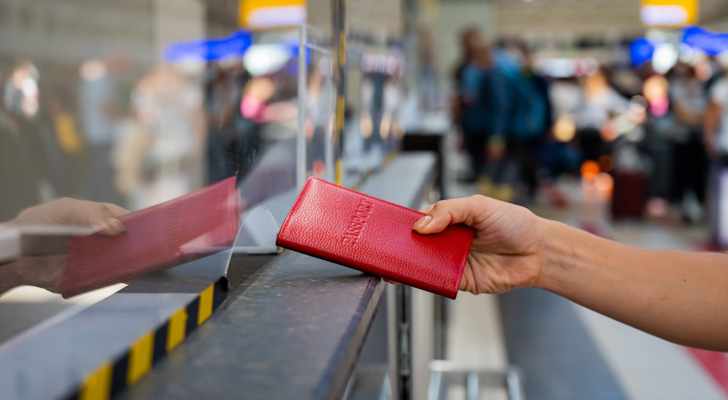 Use cases, Airport
Airport Immigration and Queue Management
 Use cases, Airport
The Data-Driven Approach to Airport Stakeholder Alignment