
The Art of Lounging: Airports and Lounge Management
Challenge
Airport lounges can be a haven for weary travelers, a relaxing pause in what might otherwise be a stressful journey. But overcrowding, staff or infrastructure overloads, or changing occupancy requirements can become a liability for the airlines and brands that operate the spaces. The quality of an airport’s lounges often plays a deciding role in route selection among frequent flyers. To ensure service meets, if not exceeds, customers’ expectations, companies operating lounges need:

Accurate historical data to optimize resource allocation
-
Precise real-time data to respond to overcrowding situations
-
Transparent reporting of visitor trends to improve planning

Reducing Security Wait Times by 10%
Solution
A Passenger Flow Management System (PFMS) capable of capturing real-time, objective data is essential for generating the KPIs different stakeholders can rely on when implementing optimization strategies.
By connecting real-time data feeds to dynamic digital signage, communications networks and third-party applications, lounge operators can:
-
Alert staff to overcrowding situations that risk service levels
-
Inform visitors of occupancy levels and service availability
-
Generate on-demand reports about occupancy and wait times

Reducing wait times and improving passenger throughput are top priorities at Carrasco International Airport. Reaching these goals with a fully managed service such as AERO fits well within our passenger experience and data-management strategies. We have been using Xovis’ on-premises solution for seven years, and upgrading to AERO is a smart move, thinking about the challenges of the coming years.
Benefits
A PFMS is an excellent system for measuring the KPIs that matter most to lounge operators’ goals, be it cost management or revenue generation. It can also be an invaluable tool for swiftly responding to regulatory changes concerning occupancy levels. A scalable system that operators can deploy at a single lounge or a whole network of facilities, a PFMS delivers a wide range of cost-saving and loyalty-strengthening benefits including:
-
Better operational cost management by matching service to customer demand
-
Brand building based on an exceptional level of service
-
Energy conservation for areas that are user-dependent
-
Efficient janitorial services based on actual use of lounge facilities
Download now
Access a free Use Case PDF version now!
Additional airport use cases

-
Expanding Airslide Revenue
Measuring customers’ in-store dwell times can boost sales of higher margin products
-
Efficient Check-In Areas
Accurate store traffic data helps retailers optimize layout and product placement
-
Time-Saving Ticketing Management
Retailers can boost revenue by measuring in-store attention
-
Managing Airport Entryways
Queuing up can become a costly friction point for brick-and-mortar retailers
-
Limiting Taxi Rank Clustering
Understanding gender-specific shopping trends helps retailers optimize resources.
-
Use-Based Cleaning
Smart Retail requires Smart Cleaning to enhance customer experience
-
Maintaining Lounge Service Levels
Retailers need a robust queue management system to eliminate friction points
-
Improving Intra-Airport Transport
Optimal staff and layout depend on real-time customer engagement data
-
Streamlining Security Checks
Real-time KPIs help retailers optimize performance across all locations
-
Optimizing Passport Control
Shopping habits change with company, aiding retailers in boosting sales
-
Airport Baggage Claim
Real-time data prevents baggage claim disruptions
 Case studies, Airport
Retail Optimization at Vienna Airport
 Case studies, Airport
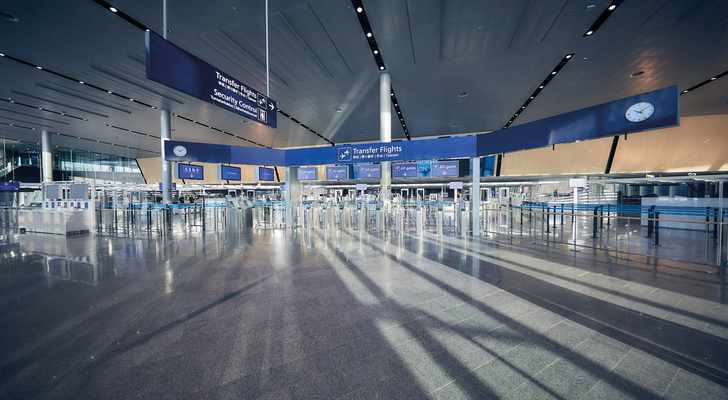
Passenger flow management system of Helsinki Airport
 Case studies, Airport
Airport Passenger Dwell Time: A Twin Cities Tale