
Network Standards and Cost Reduction in Public Transportation
Challenge
To say there are many moving parts in the passenger transportation industry would be an understatement. Each of those parts has a cost profile, one that Public Transportation Operators (PTOs) work to optimize. The cost of moving data among different systems supporting public transit can be substantial.

A third party must convert or manage data transfers
-
Additional components must be acquired to facilitate data transfers
-
Data communication equipment requires regular maintenance
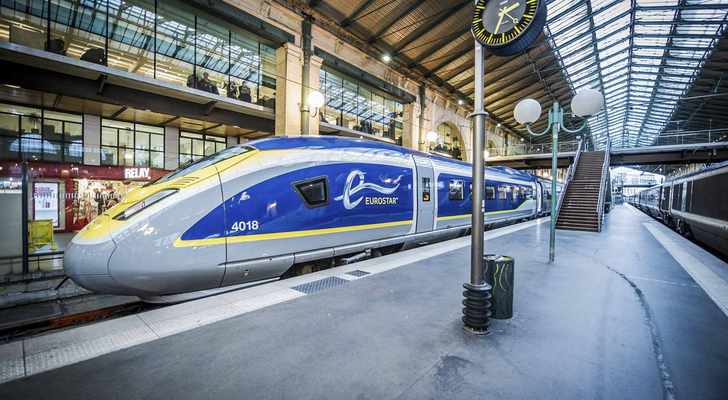
Eurostar: Fast, Relaxed Travel Through Smart Passenger Flow
Solution
A data capture solution with integrated IP protocols, such ITxPT or VDV-301, can streamline functions of different systems.
In addition to reducing the need for facilitating hardware and software, a robust system with interoperability features can help PTOs:
-
Reduce time and costs associated with multiple onboard systems
-
Improve transit network planning by standardizing passenger data
-
Close service gaps associated with non-standardized data
Benefits
A robust passenger flow management system capable of delivering insights based on accurate real-time, objective data is an indispensable tool for a fast-changing public transportation industry. A sophisticated solution equipped with the most common IP protocols is also essential for:
-
Lowering data management costs
-
Bolsters security of confidential data
-
Reducing operational costs using optimized data transfer protocol
Download now
Access a free Use Case PDF version now!
Additional transportation use cases

-
Investment Planning
Data-driven transportation investment reduces waste by targeting essential areas
-
Tenant Management
Footfall data helps property managers determine fair rental values in transit areas
-
Ticketing
Passenger counting gives PTOs data to improve services and fleet deployment
-
Price Planning
Accurate data-driven pricing analysis ensures fare prices match market conditions
-
Infrastructure Maintainance
Maintenance ensures safety and efficiency in public transportation operations
-
Infrastructure Commerce
Investors use precise data to optimize returns and manage transit assets
-
Spatial Inteligence
PTOs need customer insights, especially for those with prams, bikes, or wheelchairs
-
Network Standardization
Interoperable IT standards reduce costs and boost efficiency in public transit
-
Security Planning
Transit security benefits from real-time data to address passenger concerns
-
Route & Network Planning
Detailed data streamlines public transit route and network planning
-
Community Fare Settlement
Public transit agencies require standards for fare allocations and NTD reporting
-
Platforms
Load-balancing transit passengers requires reliable real-time data
 Case studies, Smart buildings
Visitor Flow Management in a Gothic Cathedral Museum
 Case studies, Retail
In-Store Analytics Retail: O2 Mobile Shops
- Case studies, Transportation
Eurostar: Fast, Relaxed Travel Through Smart Passenger Flow