
Passenger counting data: fleet and ticketing optimization
Challenge
Higher fuel prices and a push for more sustainable cities have increased pressure on public transport operators to provide robust but well-contoured services to a more tech-savvy clientele.
Basing strategic decision-making about fleet size and scheduling, routes, and customer trends on real-time footfall data and related KPIs can:

Optimize operational efficiency
-
Minimize operational costs
-
Maximize passenger satisfaction
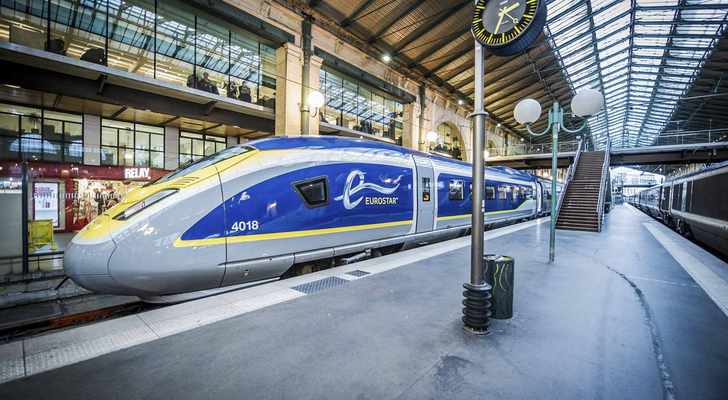
Eurostar: Fast, Relaxed Travel Through Smart Passenger Flow
Solution
Automatic Passenger Counting (APC) systems count how many passengers enter or leave a vehicle, determine occupancy rates and, for trains, movement between classes in real time.
A cornerstone of mobility solutions within smart cities, such systems help with:
-
Monitoring the performance of transportation routes
-
Adjusting vehicle deployment to match passenger demand
-
Improving ticket pricing models and community fare settlement
Benefits
Such solutions, easily integrated within the existing operating systems used by transport operators, are essential for:
-
Better understanding of passenger demographics
-
Adjusting fleet and vehicle deployment
-
Reducing operating costs by optimizing fleet size and staffing needs
Download now
Access a free Use Case PDF version now!
Additional transportation use cases

-
Investment Planning
Data-driven transportation investment reduces waste by targeting essential areas
-
Tenant Management
Footfall data helps property managers determine fair rental values in transit areas
-
Ticketing
Passenger counting gives PTOs data to improve services and fleet deployment
-
Price Planning
Accurate data-driven pricing analysis ensures fare prices match market conditions
-
Infrastructure Maintainance
Maintenance ensures safety and efficiency in public transportation operations
-
Infrastructure Commerce
Investors use precise data to optimize returns and manage transit assets
-
Spatial Inteligence
PTOs need customer insights, especially for those with prams, bikes, or wheelchairs
-
Network Standardization
Interoperable IT standards reduce costs and boost efficiency in public transit
-
Security Planning
Transit security benefits from real-time data to address passenger concerns
-
Route & Network Planning
Detailed data streamlines public transit route and network planning
-
Community Fare Settlement
Public transit agencies require standards for fare allocations and NTD reporting
-
Platforms
Load-balancing transit passengers requires reliable real-time data
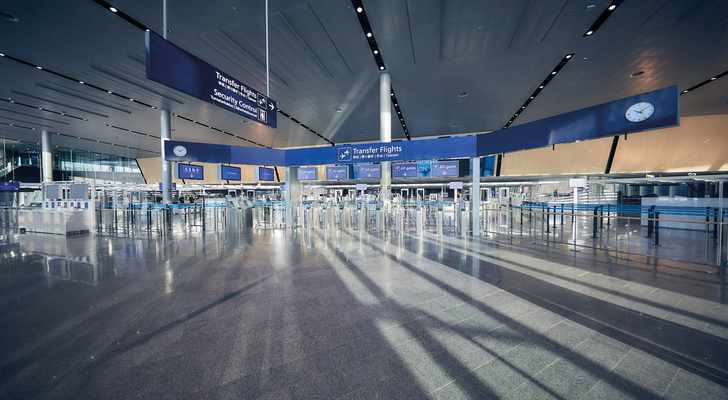 Case studies, Airport
Passenger flow management system of Helsinki Airport
 Case studies, Airport
Optimized Check-In at Airport in Copenhagen
 Case studies, Airport
Airport Passenger Dwell Time: A Twin Cities Tale