
Using Data to Improve Infrastructure Asset Management
Challenge
Essential for realizing the full value potential of commercial real estate, particularly commercial spaces surrounding public transit areas, infrastructure asset management is a top priority for investors and property managers. Different stakeholders need robust tools that can deliver actionable and easily accessible insights.
Without an automated solution capable of capturing the complexity of commercial areas within passenger terminal spaces, such as train and bus stations, property managers risk:

Disrupting passenger flows with sub-optimal commercial planning
-
Missing lease opportunities by setting rents to high
-
Losing out on adequate income by setting rents to low
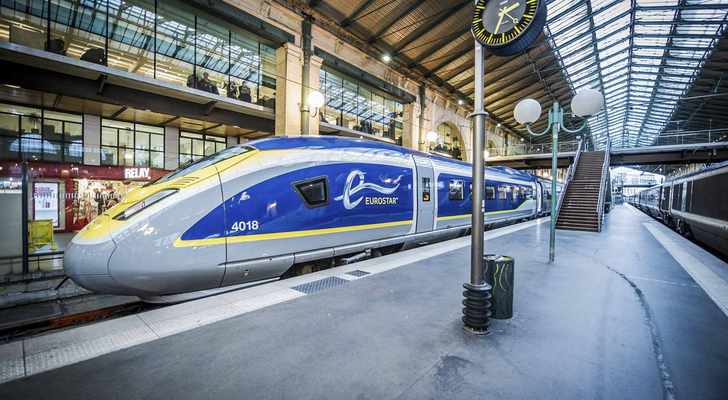
Eurostar: Fast, Relaxed Travel Through Smart Passenger Flow
Solution
A data capture solution capable of delivering accurate, real-time and historical data about where and how people interact with commercial space in public transit stations can help investors and property managers:
-
Understand volume and direction of people flow throughout terminal space
-
Track where and when passenger consumers enter commercial areas
-
Analyze the flow patterns linking transit areas and commercial services
Benefits
In addition to enhancing safety, a data capture solution can help owners and managers of commercial assets surrounding passenger transit areas with:
-
Increasing occupancy rates and revenue
-
Avoiding underutilization resulting from poor planning
-
Supporting rental valuations based on actual use
Download now
Access a free Use Case PDF version now!
Additional transportation use cases

-
Investment Planning
Data-driven transportation investment reduces waste by targeting essential areas
-
Tenant Management
Footfall data helps property managers determine fair rental values in transit areas
-
Ticketing
Passenger counting gives PTOs data to improve services and fleet deployment
-
Price Planning
Accurate data-driven pricing analysis ensures fare prices match market conditions
-
Infrastructure Maintainance
Maintenance ensures safety and efficiency in public transportation operations
-
Infrastructure Commerce
Investors use precise data to optimize returns and manage transit assets
-
Spatial Inteligence
PTOs need customer insights, especially for those with prams, bikes, or wheelchairs
-
Network Standardization
Interoperable IT standards reduce costs and boost efficiency in public transit
-
Security Planning
Transit security benefits from real-time data to address passenger concerns
-
Route & Network Planning
Detailed data streamlines public transit route and network planning
-
Community Fare Settlement
Public transit agencies require standards for fare allocations and NTD reporting
-
Platforms
Load-balancing transit passengers requires reliable real-time data
 Case studies, Airport
The Data-Driven Approach to Improving Airside Revenue
 Case studies, Retail
Foot Traffic in Shopping Malls: Identifying Hot Spots
 Case studies, Retail
Luxury Furniture and Retail People Counting Accuracy